
Walk down any British high street and you'll spot the visual consistency that makes successful franchises instantly recognisable. McDonald's golden arches, Costa's burgundy branding, Subway's distinctive yellow and green—every physical location maintains rigorous brand standards.
But visit their individual franchise websites, and you'll often discover a digital Wild West where brand guidelines become mere suggestions.
This isn't just an aesthetic problem. It's a business crisis costing UK franchise networks millions in lost revenue, confused customers, and diluted brand equity.
The Scale of the Problem
Consider the complexity: a major UK franchise network might operate 500+ locations, each requiring a digital presence that feels both authentically local and unmistakably on-brand. Multiply this by the need for regular updates, seasonal campaigns, and local promotions, and the challenge becomes overwhelming.
"We had franchisees using everything from DIY website builders to expensive bespoke designs," recalls David Thompson, digital director at a leading UK fitness franchise. "The result was a brand that looked completely different depending on which postcode you visited online."
The consequences are measurable. Research by franchise consultancy BFA suggests that brand inconsistency across digital touchpoints can reduce customer trust by up to 23% and decrease average transaction values by 15%.
The Template Trap
Most franchisors' first instinct is to create rigid website templates—identical layouts with minor customisation options. This approach satisfies brand guardians but creates new problems.
Templated sites often feel generic and corporate, exactly the opposite of what local customers seek. A Domino's Pizza in Brighton needs to feel different from one in Birmingham, even whilst maintaining core brand elements.
Moreover, templates rarely account for the diverse needs of individual franchise operators. An estate agency in Central London requires different functionality from one in rural Wales, yet most template systems force both into identical moulds.
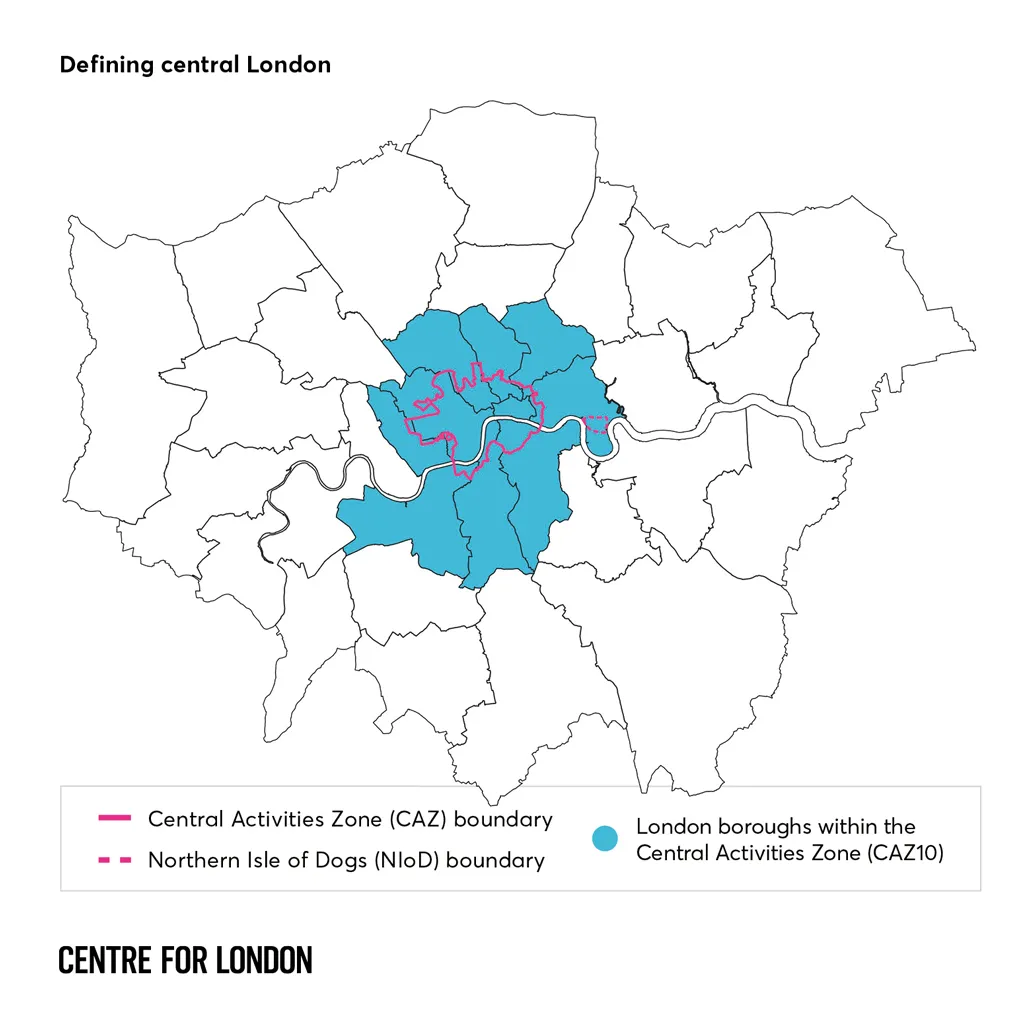 Photo: Central London, via www.centreforlondon.org
The Design System Solution
The most successful franchise networks have moved beyond templates to sophisticated design systems—modular approaches that provide consistency without stifling creativity.
Take Foxtons, the estate agency chain. Rather than forcing identical websites, they've developed a component library that franchisees can mix and match. Core elements—typography, colour palettes, logo usage—remain consistent, but local offices can emphasise different services, showcase local area knowledge, and reflect their unique market positioning.
"Think of it like LEGO blocks," explains Sarah Chen, head of digital at a franchise consultancy. "Every piece is designed to work together, but franchisees can build structures that suit their specific needs."
The Technology Behind the Magic
Modern franchise website systems rely on headless CMS platforms that separate content management from presentation. This architecture allows central brand teams to control visual standards whilst giving local operators flexibility over content and functionality.
Greggs exemplifies this approach. Their bakery franchises operate within a design framework that ensures brand consistency, but local stores can highlight regional specialities, promote local events, and adjust opening hours without compromising the overall brand experience.
The technical implementation involves:
- Component libraries: Pre-designed, brand-compliant modules that franchisees can arrange flexibly
- Automated brand compliance: Systems that prevent off-brand colour choices or typography misuse
- Centralised updates: Brand-level changes that propagate automatically across all franchise sites
- Local content management: Tools that allow franchisees to update local information without affecting brand elements
The Local Authenticity Challenge
The most sophisticated franchise systems recognise that local authenticity isn't just allowed—it's essential for success. Customers don't want to feel they're dealing with a faceless corporate entity; they want local expertise with national reliability.
Pure Gym solved this by creating website sections that franchisees must customise: local class schedules, trainer profiles, community partnerships, and area-specific fitness challenges. These elements inject personality whilst remaining within brand guidelines.
"We realised that 'local' isn't the enemy of brand consistency," notes the chain's digital strategy director. "It's actually what makes our brand promise credible."
Training and Governance
Technology alone doesn't solve the franchise consistency challenge. The most successful networks invest heavily in franchisee education and ongoing support.
This includes:
- Digital brand guidelines: Comprehensive documentation that goes beyond logos to cover web-specific standards
- Training programmes: Regular workshops on digital best practices and brand compliance
- Quality assurance: Automated monitoring systems that flag potential brand violations
- Support networks: Peer-to-peer forums where successful franchisees share digital strategies
The ROI of Consistency
Franchise networks that crack the consistency challenge see measurable benefits. A major UK restaurant chain reported a 28% increase in online orders after implementing a cohesive design system that maintained brand standards whilst allowing local customisation.
The improvements span multiple metrics:
- Customer trust: Consistent branding increases perceived reliability
- Operational efficiency: Standardised systems reduce training and support costs
- Marketing effectiveness: Coordinated campaigns perform better when supported by consistent digital experiences
- Franchise satisfaction: Operators appreciate systems that make them more successful locally
Common Implementation Mistakes
Our analysis of UK franchise digital strategies reveals recurring pitfalls:
Over-centralisation: Removing all local control creates generic, ineffective websites Under-governance: Too much flexibility leads to brand fragmentation Technology focus: Emphasising tools over training results in sophisticated systems that nobody uses properly One-size-fits-all thinking: Ignoring the diverse needs of different franchise locations
The Future Framework
The most forward-thinking franchise networks are developing AI-assisted design systems that can automatically generate locally-relevant content whilst maintaining brand consistency. These systems analyse local demographics, competitor landscapes, and seasonal trends to suggest content and layout optimisations.
This isn't science fiction—it's already happening. A UK retail franchise is piloting AI tools that automatically adjust website imagery, messaging, and promotional focus based on local market conditions, all within strict brand guidelines.
Making It Work
Successful franchise digital consistency requires balancing three forces: brand protection, local relevance, and operational efficiency. The networks getting this right share common characteristics:
- They treat digital presence as core infrastructure, not marketing afterthought
- They invest in franchisee education alongside technology
- They measure success through business outcomes, not just brand compliance
- They continuously evolve their systems based on franchisee feedback and market changes
The franchise identity crisis isn't unsolvable—it's a design challenge that requires sophisticated thinking about systems, people, and technology. The UK networks that embrace this complexity are building sustainable competitive advantages that extend far beyond their websites.