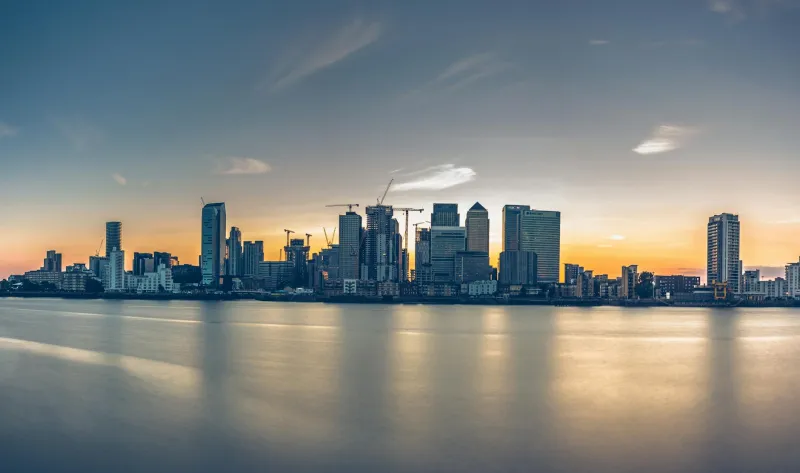
The digital establishment has long perpetuated a myth: that serious web design happens within the M25, and everything else is a provincial afterthought. But scratch beneath the surface of conversion data from the past 18 months, and a different story emerges—one where regional businesses are systematically outperforming their London counterparts by embracing what the capital's agencies have forgotten: genuine connection with their audience.
The Numbers Don't Lie: Regional Digital Dominance
Consider the case of Brewdog's digital transformation in 2023. Rather than commissioning a Shoreditch agency to craft another minimalist monument to metropolitan taste, the Scottish craft brewery worked with local Edinburgh talent to create a platform that spoke directly to their irreverent, anti-establishment brand values. The result? A 34% uplift in online sales and engagement rates that left their London-designed competitors scrambling to understand what they'd missed.
This isn't an isolated victory. Across Manchester's thriving tech quarter, conversion specialists report consistent patterns: businesses that invest in regionally-attuned design strategies are seeing performance metrics that would make Canary Wharf weep. One Manchester-based fintech startup saw their user onboarding completion rates jump from 23% to 67% after ditching their London agency's sterile approach for something that acknowledged their Northern roots without apology.
Beyond Generic: The Cultural Intelligence Advantage
What these regional success stories share isn't postcode pride—it's cultural intelligence. While London agencies often default to safe, sanitised design languages that could belong anywhere (or nowhere), their regional counterparts are crafting digital experiences that resonate with specific cultural contexts.
Take Bristol's independent retail sector. Local agencies aren't just designing websites; they're creating digital extensions of the city's creative, environmentally conscious character. One sustainable fashion brand saw their bounce rate plummet by 42% after their new site began reflecting Bristol's unique blend of artistic heritage and environmental activism—elements that would never survive the focus group process of a generic London brief.
The key insight? Authenticity isn't just good for brand perception—it's commercially devastating when deployed correctly.
The Edinburgh Effect: Professional Services Revolution
Perhaps nowhere is this regional renaissance more pronounced than in Edinburgh's financial and legal sectors. Traditionally conservative industries that might once have automatically gravitated toward London's perceived prestige are discovering that local expertise delivers superior results.
One prominent Scottish law firm recently compared proposals from both London and Edinburgh agencies for their digital overhaul. The London pitch promised 'international sophistication' and 'metropolitan polish.' The Edinburgh team proposed something more interesting: a platform that acknowledged the unique position of Scottish law, the cultural nuances of their client base, and the firm's 150-year heritage in the city.
The Edinburgh design won—and delivered. Client portal usage increased by 78%, and new business enquiries from their target demographic rose by 45%. More tellingly, client feedback consistently praised the site's 'authenticity' and 'understanding of what we're about.'
The Manchester Method: Tech with Soul
Manchester's digital scene has evolved beyond simply being 'not London' into something more sophisticated: a genuine alternative approach to digital strategy. Local agencies are pioneering what they call 'culturally embedded design'—web experiences that don't just acknowledge regional identity but use it as a strategic advantage.
A Manchester-based SaaS company recently launched a platform designed entirely by local talent, incorporating subtle references to the city's industrial heritage and collaborative spirit into both visual design and user experience flows. The platform's signup-to-paid-conversion rate sits at 18%—nearly double the industry average and significantly higher than competitors using London-designed interfaces.
The secret? Understanding that their target market—Northern SMEs—responds to different visual cues, messaging approaches, and cultural references than a generic 'UK business' audience.
Breaking the Metropolitan Bias
This regional resurgence represents more than geographical preference—it's a fundamental challenge to the assumption that effective digital design must be culturally neutral. The evidence suggests the opposite: the most commercially successful web projects are those that embrace specific cultural contexts rather than avoiding them.
London agencies, for all their technical competence, often struggle with this cultural specificity because they're designing for an imagined 'universal' user rather than real people with specific backgrounds, preferences, and cultural touchstones.
The Commercial Case for Cultural Authenticity
The financial implications extend beyond simple conversion metrics. Regional businesses investing in culturally intelligent design are building deeper customer relationships, achieving higher customer lifetime values, and creating more defensible competitive positions.
One Bristol-based hospitality group found that their locally-designed booking platform not only converted 23% better than their previous London-created system but also generated customers who stayed longer, spent more, and returned more frequently. The design team had understood something their London predecessors hadn't: that their audience valued environmental consciousness, local sourcing, and community connection—and built these values into the digital experience.
The Future Is Distributed
As we move into 2024, the evidence is mounting that the future of UK web design isn't concentrated in London's glass towers but distributed across the country's regional centres of excellence. Businesses that recognise this shift early—and invest in design partners who understand their specific cultural context—aren't just saving money on London premiums. They're building digital experiences that actually connect with their audiences in ways that generic, metropolitan approaches never could.
The postcode premium was always a myth. What matters isn't where your agency is based—it's whether they understand where your customers come from.