The numbers tell a stark story. UK hospitality revenue plummeted by £87 billion during the pandemic, and whilst recovery is underway, the landscape has fundamentally shifted. Customers book differently, dine differently, and trust differently than they did in 2019.
For independent hotels, restaurants, and pubs across Britain, this presents both a challenge and an unprecedented opportunity. Those who've recognised web design as a strategic business tool—not just a digital brochure—are experiencing remarkable results.
The Direct Booking Revolution
Take The Pig Hotel group, whose quirky "restaurant with rooms" concept spans from the New Forest to the Scottish Highlands. Their website redesign in 2022 focused obsessively on one metric: direct bookings. By creating immersive visual narratives that showcase each property's unique character—complete with 360-degree room tours and locally-sourced menu previews—they've reduced their reliance on OTAs by 23%.
The strategy works because it addresses a fundamental shift in customer behaviour. Post-pandemic travellers crave authenticity and reassurance. They want to know exactly what they're booking, who's behind it, and how seriously the venue takes their safety and comfort.
"We stopped thinking about our website as a booking portal and started treating it as the first course of the dining experience," explains Sarah Mitchell, digital director at a Michelin-starred restaurant group in Bath. "Every pixel needs to communicate our values, our story, and our commitment to excellence."
Trust Signals That Actually Work
The most successful hospitality websites we've analysed share common elements: prominent hygiene certifications, real-time availability displays, and extensive use of recent customer photography rather than stock imagery. These aren't decorative choices—they're conversion tools.
Consider how The Zetter Townhouse in London's Fitzrovia rebuilt customer confidence. Their homepage features a live feed of genuine guest reviews, updated daily cleaning protocols, and a prominent "Book Direct for Best Rate" guarantee. The result? A 34% increase in direct bookings within six months of launch.
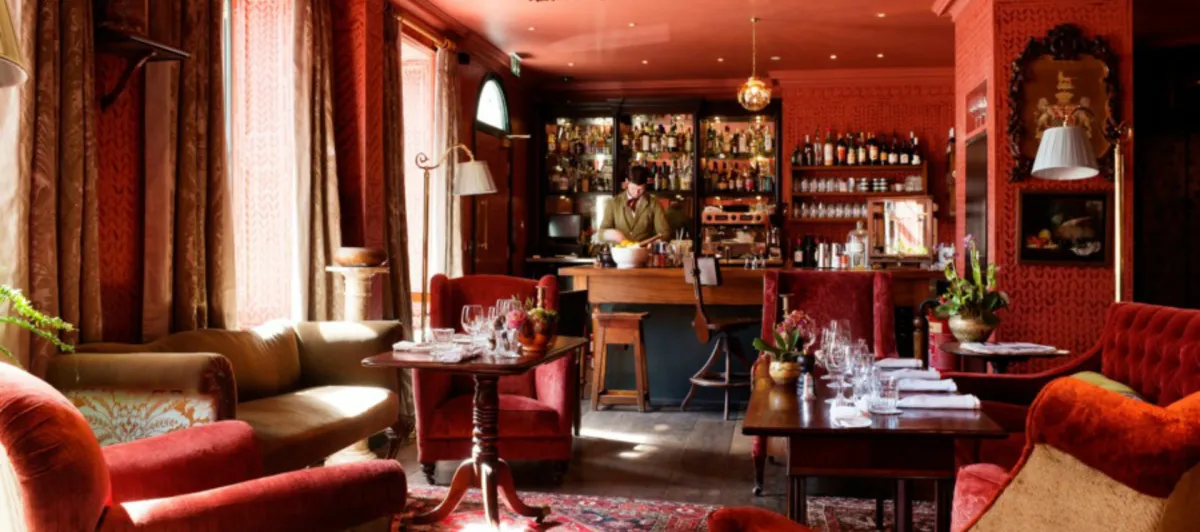 Photo: The Zetter Townhouse, via cdn.thenudge.com
Mobile-First Menus That Drive Revenue
For restaurants, the pandemic accelerated a crucial realisation: your menu isn't just a list of dishes—it's a sales tool. The most effective restaurant websites now treat menu design with the same rigour as their interior layout.
Dishoom's digital menu exemplifies this approach. Each dish is presented with high-resolution photography, detailed descriptions that tell a story, and subtle psychological pricing techniques. More importantly, the entire experience is optimised for mobile ordering, recognising that 73% of restaurant website visits now happen on smartphones.
"We studied how customers scan menus," notes Tom Bradley, creative director at a leading UK hospitality design agency. "Eye-tracking data showed us exactly where to place high-margin items, how to structure descriptions for maximum appeal, and when to introduce scarcity signals."
The Friction-Free Reservation Flow
Booking abandonment rates plague the hospitality industry, with research suggesting that 67% of potential customers abandon reservations due to complicated booking processes. The solution isn't more features—it's ruthless simplification.
The most effective reservation systems we've encountered require just three pieces of information: party size, date, and contact details. Everything else—dietary requirements, special requests, seating preferences—happens post-booking via automated follow-up emails.
This approach reduces cognitive load whilst maintaining service quality. Customers complete bookings faster, and restaurants gather detailed preferences without overwhelming the initial experience.
Local SEO as a Revenue Driver
For independent venues, local search visibility directly correlates with footfall. The most successful hospitality websites integrate location-based content seamlessly into their design narrative.
A gastropub in York saw a 45% increase in weekend bookings after restructuring their website around local storytelling. Instead of generic "About Us" content, they created detailed pages about their relationships with local suppliers, walking routes from nearby attractions, and seasonal events in the area.
"We realised we weren't just selling food and rooms—we were selling experiences rooted in place," explains the pub's owner. "Our website needed to reflect that connection."
The Aggregator Alternative
Whilst platforms like OpenTable and Booking.com offer reach, they also commoditise experiences and erode margins through commission structures. The most successful independent venues use their websites to differentiate rather than compete on price alone.
This means showcasing elements that aggregators cannot: the chef's philosophy, the provenance of ingredients, the history of the building, the personality of the staff. These intangible qualities become powerful differentiators when presented through thoughtful design.
Measuring What Matters
The hospitality businesses seeing genuine recovery share a metrics-driven approach to web design. They track not just traffic and bookings, but customer lifetime value, direct booking percentages, and average order values.
One restaurant chain discovered that customers acquired through their website spent 18% more per visit than those coming via third-party platforms. This insight justified significant investment in their digital presence and fundamentally changed how they allocated marketing budgets.
The Road Ahead
As UK hospitality continues its recovery, the businesses thriving aren't necessarily those with the largest marketing budgets or prime locations. They're the ones who've recognised that exceptional web design isn't a luxury—it's essential infrastructure for modern hospitality success.
The pandemic may have disrupted the industry, but it's also created opportunities for those willing to embrace digital craft as a core business competency. In a sector where margins matter and customer loyalty determines survival, strategic web design isn't just about looking professional—it's about building sustainable, profitable relationships with the customers who matter most.