Crafted by Hand, Sold by Template: How Bespoke UK Makers Are Accidentally Devaluing Their Own Work Online
Photo: artisan craftsperson workshop handmade jewellery furniture UK bespoke maker, via e3.365dm.com
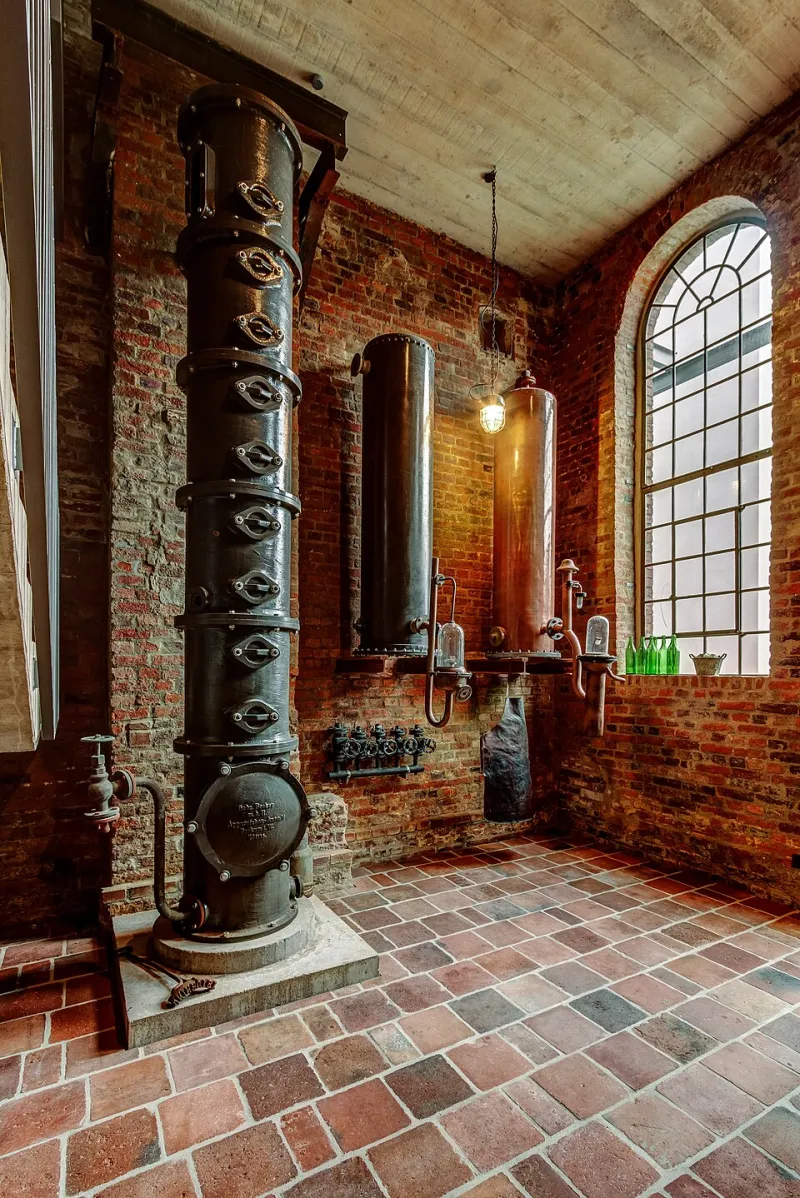
There's a particular kind of heartbreak that happens when you walk into a master craftsperson's workshop. The smell of raw timber, the glint of silver wire on a jeweller's bench, the worn tools that have shaped thousands of unique pieces. Then you pull up their website on your phone and — nothing. A generic carousel. Stock photography of hands holding generic products. A Helvetica headline that reads "Handcrafted With Love" sitting on a template that forty thousand other businesses are also using this week.
Britain has a genuine, world-class artisan economy. From Derbyshire silversmiths to Cornish furniture makers, from Savile Row-trained tailors operating out of Yorkshire to Edinburgh ceramicists whose waiting lists stretch months. These are makers with extraordinary skill, commanding extraordinary prices — or at least, they should be. The problem is that their websites are undercutting them before a single conversation starts.
The Template Trap
We've spent time talking to craftspeople across the UK about their digital presence, and the story is almost always the same. They invested heavily in their craft. They invested modestly — or not at all — in their website. Most used a popular drag-and-drop platform, picked a template that looked "clean and professional," uploaded some photos, and called it done.
The logic is understandable. Why spend thousands on a website when the craft itself is the product? But this thinking fundamentally misunderstands what a website actually does for a premium maker. It's not just a catalogue. It's a trust signal. It's the digital equivalent of your workshop, your packaging, your handshake. When a customer is considering spending £3,500 on a bespoke dining table or £1,800 on a commissioned piece of jewellery, the website is often the very first thing that either validates or undermines that purchase decision.
And a template — even a beautifully designed one — carries an inherent message: this business operates at scale. That's precisely the opposite of what a bespoke maker needs to communicate.
What the Numbers Actually Say
We worked with three UK-based artisan businesses over the past year to rebuild their digital presence from the ground up. The results were striking enough that we felt they deserved to be shared properly.
Case study one: A bespoke furniture maker in the Cotswolds. Before their redesign, their website conversion rate — the percentage of visitors who made an enquiry — sat at 0.8%. Their average commission value was around £2,200. After a custom-built site that genuinely reflected their process, their materials, their workshop, and their story, that conversion rate climbed to 3.1% within four months. Same traffic. Same products. Dramatically different digital presentation. The revenue difference across a year of consistent traffic? Significant enough to fund two additional commissions per month without spending a penny more on marketing.
Case study two: A Hatton Garden-trained jeweller operating independently in Bristol. Their previous template site was generating enquiries, but the enquiries were consistently price-sensitive. Customers were arriving expecting high-street prices and reacting with surprise — sometimes hostility — when they received bespoke commission quotes. The new site led with process, with provenance, with the genuine story behind each piece. The volume of enquiries dropped slightly. The quality increased substantially. Average commission value rose by 34% in the first six months, because the website was now attracting clients who understood and valued what they were actually buying.
Case study three: A Scottish tweed and textile maker. Their template site was actively working against them in search results, partly due to performance issues and partly because the generic structure gave Google nothing meaningful to index. A rebuilt site with genuine editorial content about their process, their region, and their heritage saw organic traffic increase by 218% over eight months. International enquiries — particularly from the US and Japan, where British craft heritage commands serious premiums — more than doubled.
The Visual Language of Value
One of the most damaging things a template does to a premium maker is impose a visual language that was designed for volume, not value. Templates are built to accommodate any kind of business. They're deliberately neutral. But neutrality is the enemy of premium positioning.
When someone is spending serious money on something handmade, they're not just buying an object. They're buying a story, a relationship, a piece of someone's expertise. The website needs to communicate all of that — the texture of the materials, the patience of the process, the personality of the maker. A template strips all of that away and replaces it with a digital vending machine aesthetic.
Custom web design for artisan businesses isn't about making something flashy. It's actually about restraint — knowing which details to surface, how to let photography breathe, how to let the maker's voice come through in copy that doesn't sound like it was written by a committee. It's about building something that feels as considered as the products themselves.
The Pricing Signal Problem
Here's the thing that most makers don't realise until someone points it out: your website is the first price signal your customer receives. Before they see a single number, they're already forming an expectation based on what they see. A template site, however attractive, signals a certain price bracket. If your actual prices sit above that bracket — as any genuinely bespoke maker's prices should — you've already created friction.
This is why so many skilled craftspeople find themselves constantly justifying their prices rather than simply receiving enquiries from customers who already understand and accept them. The website has done the wrong job. It's attracted the wrong audience, set the wrong expectation, and put the maker in the uncomfortable position of having to argue for their own value.
A well-crafted digital presence does the qualifying work before the conversation begins. It tells the right customer, in the right visual and editorial language, exactly what kind of business this is and exactly what kind of investment is involved. By the time someone picks up the phone or sends an email, they're already sold on the concept. The only question is the specifics.
Where to Start
If you're a UK maker reading this and wincing in recognition, the good news is that the fix isn't necessarily as expensive or complicated as it might sound. The starting point isn't a complete rebuild — it's an honest audit.
Look at your website the way a first-time visitor would. Does it communicate the genuine quality of what you make? Does it tell your story with any specificity, or does it use the same language every other maker is using? Does it show your actual process, or just the finished product? Does it feel like it was made with the same care you put into your work?
If the answer to most of those questions is no, you're paying a hidden tax on every piece you sell — in lower prices, harder sales conversations, and customers who never quite understand what makes what you do worth the investment.
Britain's craft economy deserves better than factory-floor digital templates. The makers who recognise that first are already pulling ahead.