The Digital Divide No One's Talking About: How Scotland, Wales and Northern Ireland Are Missing Out on the Web Investment Boom
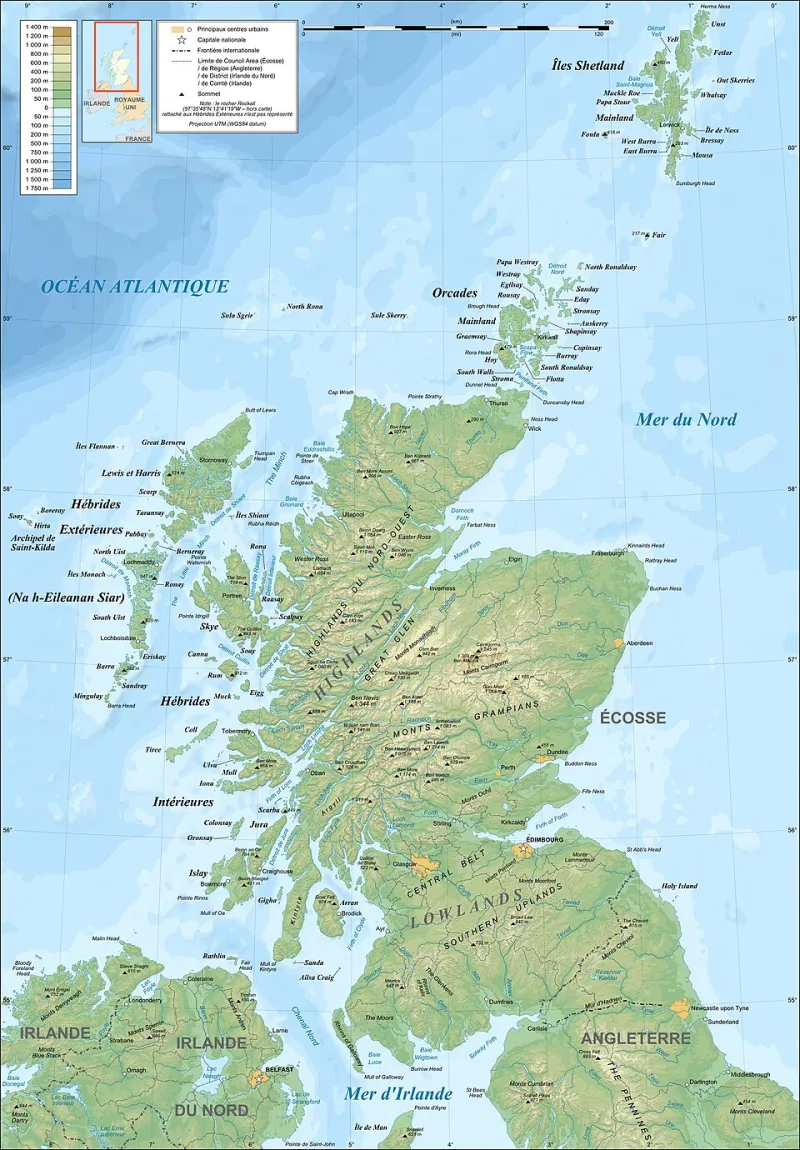
Photo: Eric Gaba (Sting – fr:Sting), CC BY-SA 4.0, via Wikimedia Commons
The Map That Tells a Damning Story
Pull up almost any report on UK digital investment and you'll notice something uncomfortable pretty quickly. The heat maps glow brightest around London, radiate outward through Manchester, Leeds, and Birmingham, and then — somewhere around the Scottish border or the Severn Bridge — the colour drains away entirely.
It's not a subtle disparity. It's a chasm. And for businesses in Edinburgh, Cardiff, Belfast, or Inverness trying to compete in an increasingly digital-first economy, it's becoming impossible to ignore.
Scotland, Wales, and Northern Ireland collectively represent around 16% of the UK population and contribute significantly to the national economy — yet their share of web design agency investment, digital skills funding, and tech talent pipelines sits well below that proportion. The result is a postcode lottery that has nothing to do with entrepreneurial spirit and everything to do with where money and expertise tend to cluster.
What the Numbers Actually Show
Research consistently paints a bleak picture for businesses outside England's major cities. A 2023 analysis of SME digital maturity found that Welsh businesses were around 23% less likely to have a mobile-optimised website than their counterparts in the South East. Scottish firms outside the Central Belt reported average website load times nearly double those recorded for London-based competitors in the same sectors.
Northern Ireland presents a particularly striking case. Despite Belfast's growing reputation as a tech hub — bolstered by significant investment from companies like Citi and Allstate — the broader digital landscape for local SMEs remains underdeveloped. Many businesses still rely on outdated platforms, with limited access to agencies capable of delivering the kind of conversion-focused, strategically grounded web work that's now table stakes in more competitive markets.
The consequences are measurable. Online revenue performance data from e-commerce platforms consistently shows lower basket values and higher abandonment rates from sessions originating in devolved nation postcodes — a pattern that often reflects website quality rather than consumer behaviour.
Why the Gap Exists
The reasons are layered, and honestly, none of them are especially flattering for the industry.
Agency concentration is the most obvious factor. The UK's best-known digital agencies cluster in London, Manchester, and increasingly Bristol. When a Scottish manufacturer or a Welsh retailer wants genuinely world-class web work, they often face a choice between paying London prices with all the associated friction of remote collaboration, or settling for local provision that may not yet have the strategic depth or technical capability they need.
Funding streams compound the problem. While Innovate UK and various digital growth programmes exist across all four nations, the application processes, awareness levels, and support infrastructure vary enormously. English businesses — particularly those near major cities — benefit from a denser ecosystem of accelerators, digital hubs, and agency partnerships that make accessing growth funding considerably more straightforward.
Talent pipelines are perhaps the most structurally damaging issue. Scotland has world-class universities producing strong graduates in digital disciplines, but a disproportionate number relocate south after graduation, drawn by higher salaries and more concentrated career opportunities. Wales and Northern Ireland face similar brain drain dynamics. The result is that local agencies often struggle to scale, and the expertise gap widens year on year.
The Opportunity Everyone's Missing
Here's the thing though — and this is where the narrative shifts from frustration to genuine commercial excitement.
The businesses in these regions that have invested in quality digital work are seeing extraordinary returns, precisely because so few of their local competitors have done the same. A well-executed, strategically sound website in a Welsh market town or a Scottish coastal city doesn't just perform well — it dominates. The bar, set low by neglect and underinvestment, means that even a moderately sophisticated digital presence can generate disproportionate competitive advantage.
For forward-thinking agencies — whether based locally or willing to serve these markets properly from elsewhere — this represents one of the most compelling untapped opportunities in UK digital right now. The demand is real. The willingness to invest exists. What's been missing is supply: agencies that understand these markets, respect their distinct cultural contexts, and bring genuine strategic firepower rather than watered-down London templates.
Cultural Fit Matters More Than Proximity
There's another dimension to this that purely economic analysis tends to miss. Scottish, Welsh, and Northern Irish business culture has its own rhythms, values, and communication styles. A Cardiff-based family business doesn't want a website that looks like it was designed for a Shoreditch fintech. An Inverness-based hospitality group has a distinct story to tell that generic agency templates will never capture.
The most successful digital projects in these regions share a common thread: they're built on genuine understanding of local identity and heritage, not imported assumptions about what good looks like. That requires either local expertise or agencies willing to do the cultural homework — and frankly, most don't bother.
What Needs to Change
The solutions aren't complicated, even if they require sustained effort.
Government and devolved administration funding needs to get smarter about directing digital investment toward SMEs rather than headline-grabbing tech inward investment deals. A hundred local businesses with genuinely effective websites will do more for regional economic resilience than one data centre announcement.
Agencies — including those based in England — need to stop treating these markets as afterthoughts and start recognising them as the growth opportunity they represent. That means local partnerships, genuine cultural investment, and pricing models that don't simply replicate London economics in markets where they don't apply.
And businesses in Scotland, Wales, and Northern Ireland themselves need to push back against the assumption that digital excellence is someone else's story. The tools exist. The talent exists. The commercial case is overwhelming.
The Bigger Picture
The UK's digital economy is only as strong as its weakest regional link. Right now, that link is straining under the weight of decades of geographic bias, funding imbalance, and cultural indifference from an industry that's been too comfortable looking inward.
The postcode lottery of digital ambition is real — but lotteries can be rigged. Not through luck, but through deliberate investment, smarter policy, and agencies willing to go where the opportunity actually is rather than where it's always been assumed to be.
The businesses ready to make that move won't just be doing the right thing. They'll be doing the smart thing.