Shortchanged by Postcode: The Regional Web Design Gap Nobody Wants to Talk About

There's a quiet injustice playing out across the UK's regional towns and smaller cities, and it rarely makes the headlines because the victims often don't know they're victims at all.
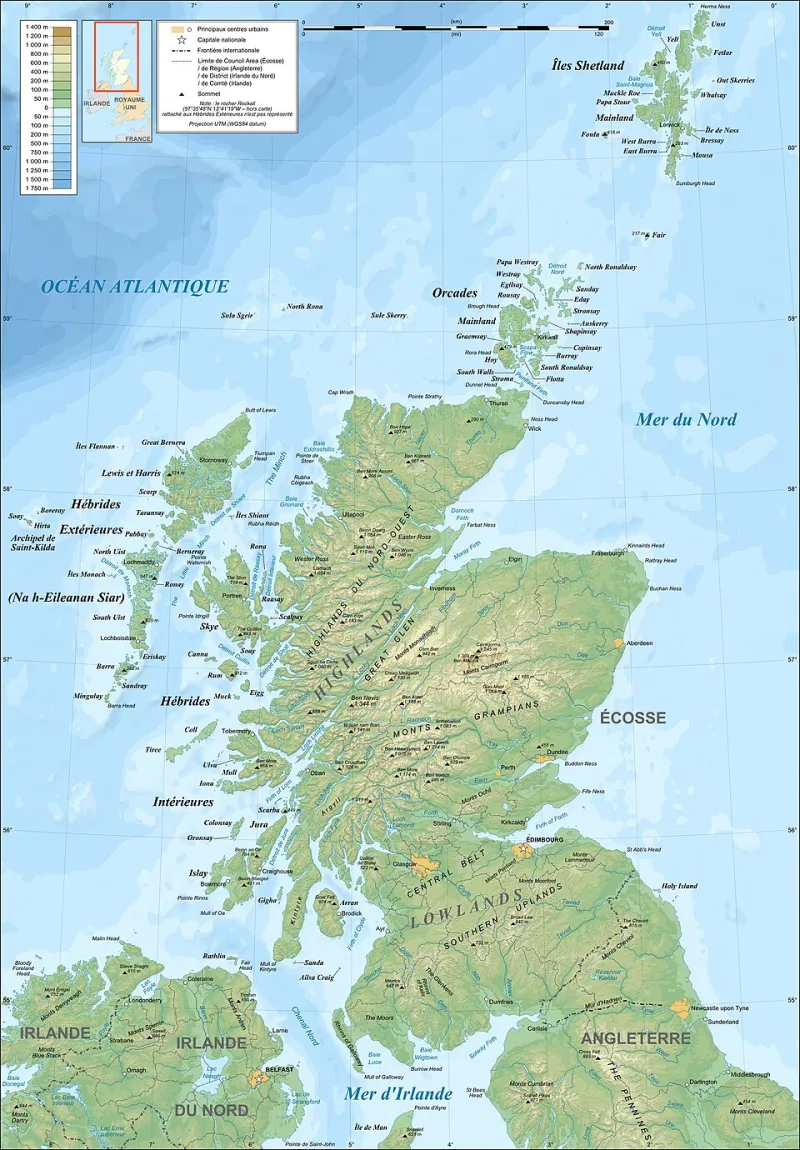
A fisheries supplier in Grimsby gets quoted a five-page brochure site with a stock photo of a trawler and a contact form that barely works. A ceramics manufacturer in Stoke-on-Trent receives a proposal built around a WordPress theme that was fashionable in 2015. A Highland hospitality business in Inverness is handed a mobile-unfriendly template dressed up with a local colour palette and called bespoke.
Meanwhile, a boutique consultancy in Shoreditch gets a discovery session, a brand workshop, a UX strategy document, and a custom-built site that converts visitors into clients from day one.
Same budget. Wildly different outcomes. Welcome to the postcode lottery of digital ambition.
Why the Gap Exists in the First Place
This isn't entirely the fault of agencies — though some absolutely deserve scrutiny. The problem is systemic, and it runs in both directions.
On one side, you have agencies that have historically served regional markets by offering stripped-back, low-complexity solutions because that's what clients asked for, could afford, or seemed to expect. Over time, a culture of low expectations calcified. Agencies stopped pitching ambitious work because they assumed it wouldn't land. Clients stopped asking for it because they didn't know it was possible.
On the other side, many regional businesses have genuinely internalised the idea that sophisticated digital strategy is a luxury reserved for bigger companies in bigger cities. They've been told — implicitly or explicitly — that a clean logo, a few pages, and a Google Maps pin is enough.
It isn't. And the data backs that up.
Research from Lloyds Bank's UK Consumer Digital Index has consistently shown that digital capability is one of the clearest predictors of business resilience and growth. Yet investment in digital remains disproportionately concentrated in London and the South East. This isn't just about access to talent — it's about expectation.
What 'Watered-Down' Actually Looks Like
Let's be specific, because vagueness is part of what keeps this problem alive.
A 1999-era website — even if it was built last year — typically has some tell-tale signs. Pages load slowly because images haven't been properly optimised. There's no clear conversion pathway: no call to action that guides a visitor toward an enquiry, a booking, or a purchase. The mobile experience feels like an afterthought. There's no integration with CRM tools, booking systems, or analytics dashboards. And the copy reads like it was written by someone who'd never actually spoken to a customer.
None of this is acceptable in 2025, regardless of whether you're in Kensington or Kirkcaldy.
A plumbing firm in Stoke competing for local search traffic doesn't just need a website — it needs structured local SEO, a review strategy, a fast-loading service page that speaks directly to emergency call-out anxiety, and a click-to-call button that works on a cracked iPhone screen at 11pm. That's not a premium ask. That's table stakes.
The Agencies Breaking the Cycle
Here's the good news: not everyone is playing along with the race to the bottom.
Across the UK's regions, a growing cohort of agencies — many of them smaller, leaner, and closer to their clients than their city counterparts — are delivering genuinely ambitious digital work for businesses that were previously told to keep their expectations modest.
What these forward-thinking agencies have in common is a refusal to pre-judge what a regional client needs based on their postcode or their sector. They run proper discovery processes. They benchmark competitors — including those in larger markets — and use that data to show clients what's possible. They treat a Northumberland farm shop with the same strategic rigour they'd bring to a Bristol tech startup.
The results speak for themselves. Businesses that previously relied on word of mouth and a dusty website are generating consistent inbound enquiries. Local trades firms are ranking above national comparison sites for high-intent searches. Hospitality businesses that once lived and died by footfall are building direct booking revenue that bypasses commission-heavy platforms entirely.
How to Tell If You're Being Shortchanged
If you're a business owner outside a major UK city and you're wondering whether your current or proposed website is genuinely fit for purpose, here are some practical benchmarks worth applying.
Does the proposal include a discovery phase? Any agency serious about delivering results will want to understand your customers, your competitors, and your commercial goals before they design a single pixel. If you're being handed a quote within 24 hours of a 20-minute call, that's a red flag.
Is conversion part of the conversation? A website's job isn't to exist — it's to do something. If no one's talking about what you want visitors to do, and how the design will encourage them to do it, the site is decorative, not functional.
Are they showing you comparable examples? Not just their own portfolio — but what your competitors are doing, what businesses in adjacent sectors are achieving, and where the gap is. Ambition is easier to justify when it's grounded in evidence.
Does the mobile experience get equal billing? In most regional sectors, the majority of web traffic comes from mobile devices. If mobile isn't a central part of the brief, walk away.
Is there a plan for after launch? A website without a growth strategy is a brochure. The best agencies — wherever they're based — treat launch as the beginning of the work, not the end.
The Expectation Problem Is a Two-Way Street
It would be unfair to lay all of this at the feet of regional agencies. Plenty of businesses actively resist the kind of strategic engagement that leads to better outcomes. They want something cheap, something quick, and something that looks roughly like what their mate's cousin built for a pub in 2018.
But expectations are shaped by experience, and experience is shaped by what you've been shown is possible. If the only digital work you've ever seen in your sector is mediocre, you don't know to ask for anything better.
That's why the responsibility falls, at least in part, on agencies — including us at CreativWeb — to raise the conversation. To show regional businesses what genuine digital craft looks like, and to make the case that geography should never be a ceiling on ambition.
Because here's the thing: your customers aren't judging your website against other businesses in your town. They're judging it against every other website they've ever visited. And that bar is higher than you might think.